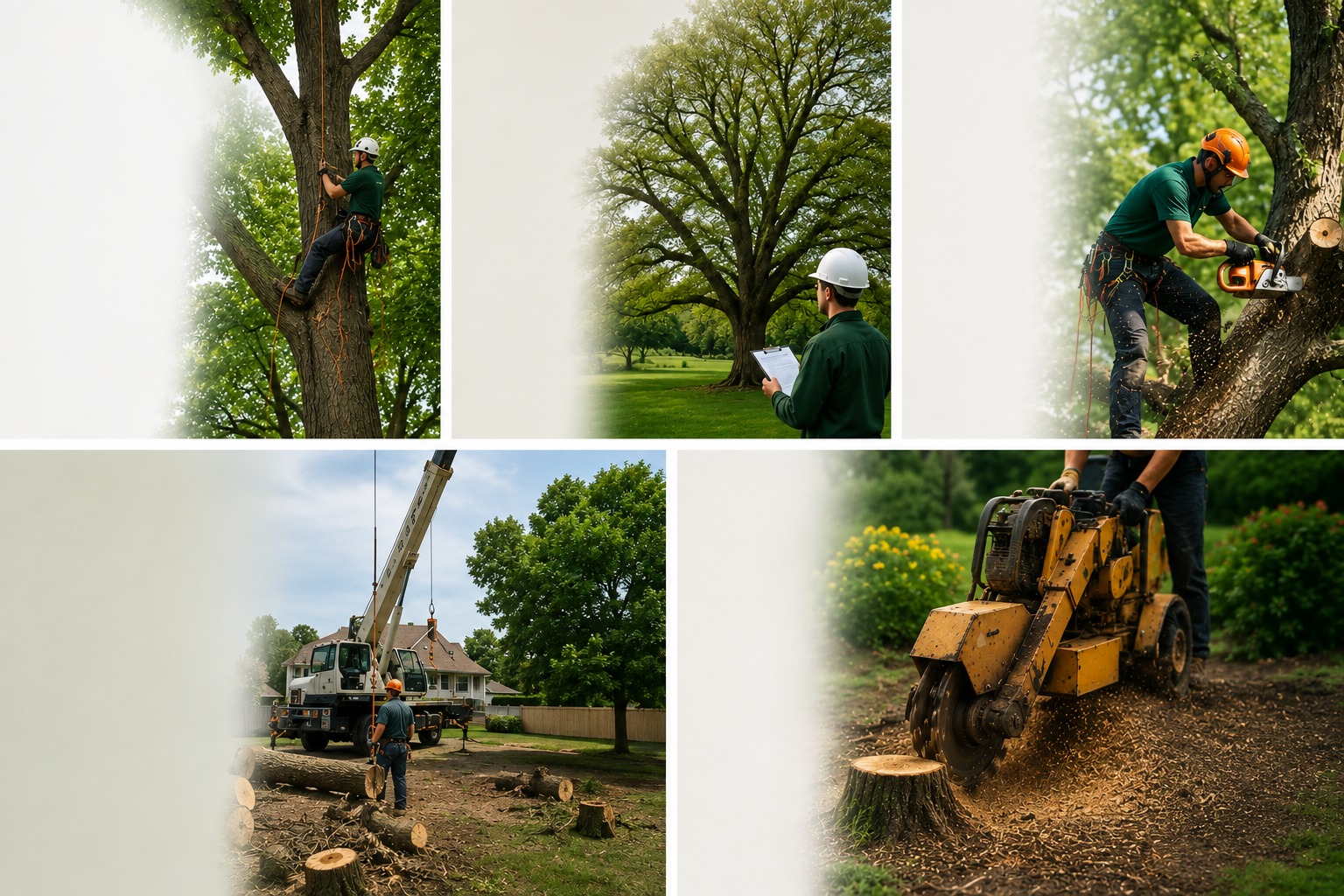
Regular tree trimming can improve structure, remove damaged branches, manage unwanted growth, and help trees coexist safely with surrounding property features. However, the amount of work involved can vary considerably from one tree to another. When property owners research tree trimming cost, it is important to understand that tree size is only one consideration. Canopy density, branch condition, accessibility, trimming objectives, and nearby obstacles can all influence the complexity of the work. Knowing what affects a trimming project can help homeowners make informed decisions about ongoing tree maintenance.
What Determines Tree Trimming Cost?
No two trimming projects are identical. Even trees of similar height may require very different amounts of work.
One tree might need only a few dead or damaged branches removed. Another may have a dense canopy with multiple limbs growing toward a building. Because the required work varies, tree trimming cost is usually influenced by the complete condition and location of the tree.
A proper assessment can identify which branches require attention and what methods are suitable for managing them.
Tree Height and Overall Size
Larger trees generally require more planning because workers must reach higher branches and handle heavier sections of wood. Mature trees can also have broad canopies containing numerous limbs.
Height alone, however, does not determine the difficulty. A relatively short tree with an exceptionally dense or complicated branch structure may still require significant attention.
The Type of Trimming Required Matters
The purpose of trimming can affect how much work is involved. Trees should not simply be cut back without considering their structure and condition.
Dead or damaged branches may need to be removed for safety reasons. Other trees may benefit from selective pruning to improve branch spacing or reduce conflicts with nearby structures.
Understanding the objective before work begins helps avoid unnecessary cutting.
Structural Pruning
Young trees can develop competing stems, crossing branches, or poorly positioned limbs. Selective pruning may encourage stronger structural development as the tree matures.
Addressing these issues earlier can sometimes reduce the need for more extensive corrective work later.
Deadwood Removal
Dead branches can remain within a canopy long after they stop producing healthy growth. Larger dead limbs may eventually break and fall, particularly during wind or storms.
The location, quantity, and size of deadwood can influence tree trimming cost because each branch must be evaluated and removed appropriately.
Accessibility Can Change the Complexity
A tree standing in an open front yard may be easier to approach than one located behind a narrow gate or between multiple structures.
Access limitations can influence how workers reach the tree and manage cut material. Steep slopes, fences, garden beds, sheds, and restricted pathways can all affect the process.
Property owners exploring professional tree trimming in the area should consider whether their trees are easily accessible when planning maintenance.
Nearby Structures Require Additional Care
Trees frequently grow close to houses, garages, driveways, fences, and other property features. Branches may also extend above gardens or outdoor living spaces.
These surroundings can make trimming more complicated because cut limbs need to be controlled carefully.
Overhanging Branches
A large branch hanging above a roof cannot necessarily be treated the same way as a branch over an open lawn. It may need to be cut into smaller sections to reduce the possibility of damage below.
Consequently, tree trimming cost may reflect the amount of control required during branch removal rather than simply the number of cuts being made.
Tree Condition Can Influence Trimming Work
Healthy branches generally behave more predictably than severely decayed or storm-damaged limbs. A weakened branch may crack unexpectedly, while damaged sections can sometimes remain suspended within the canopy.
Trees affected by storms deserve particular attention. Strong winds can create splits or hanging branches that are difficult to see from ground level.
A condition assessment before trimming can help identify these concerns.
Why Excessive Trimming Should Be Avoided
More trimming is not automatically better for a tree. Removing excessive foliage can create unnecessary stress and interfere with normal growth.
Poorly planned cuts may also encourage weak regrowth or leave the canopy unbalanced.
Effective pruning focuses on a specific purpose. Rather than removing branches indiscriminately, each cut should contribute to structural improvement, clearance, safety, or tree health.
This careful approach also makes discussions about tree trimming cost more meaningful because the work is based on what the tree actually needs.
Timing Can Be Important
Appropriate pruning timing may vary depending on the tree species, condition, and reason for trimming. Some work is performed to address immediate hazards, while routine pruning can often be planned more deliberately.
Seasonal growth patterns may also affect how easily certain structural concerns can be identified.
Instead of assuming every tree should be trimmed on the same schedule, property owners can evaluate trees individually and respond to their actual condition.
Preparing Your Property Before Trimming
A little preparation can make the work area easier to manage. Move vehicles, outdoor furniture, toys, portable planters, and other movable objects away from the tree when practical.
Informing workers about irrigation systems, delicate landscaping, or hidden property features can also be helpful.
Keeping access routes clear allows the trimming process to proceed more efficiently and reduces unnecessary obstacles around the work zone.
Conclusion
Several variables can influence tree trimming cost, including tree height, canopy density, branch condition, accessibility, nearby structures, and the specific type of pruning required. For that reason, comparing trimming projects solely by tree size can give an incomplete picture.
Thoughtful trimming should focus on maintaining appropriate structure while addressing damaged, dead, or problematic growth. By understanding what makes each project different, property owners can plan tree maintenance more effectively and make better decisions about the long-term care of their trees.