Wildlife problems often begin with a small structural weakness. A loose soffit, damaged vent, or unnoticed roof opening may seem minor until an animal discovers it.
Raccoons are particularly capable of taking advantage of accessible shelter. For homeowners dealing with unwanted activity, professional raccoon removal services can provide a more complete response than simply reacting to the animal’s presence.
Removal Is Only One Part of the Solution
Imagine resolving the immediate wildlife problem but leaving the original entry point untouched.
The house may remain vulnerable.
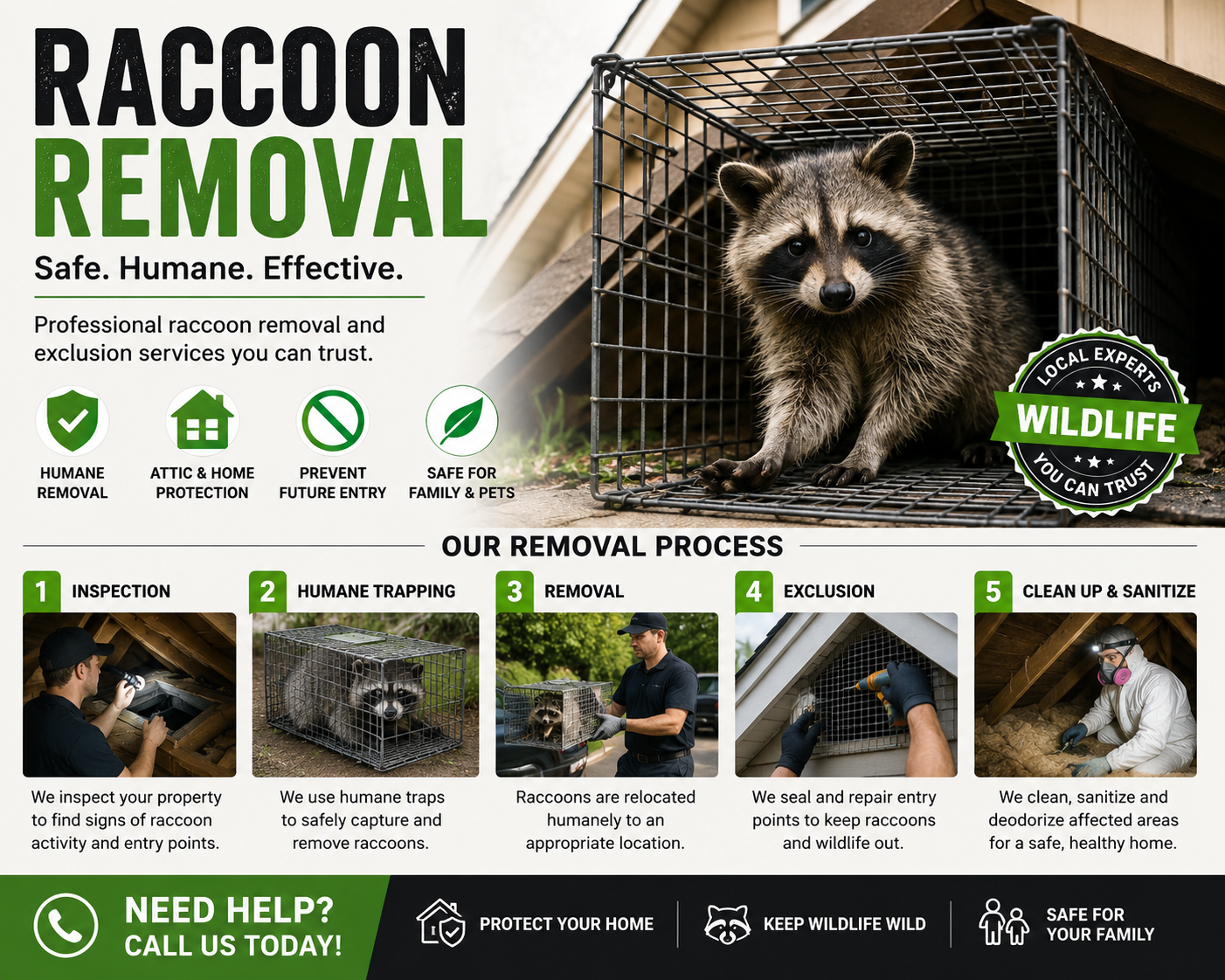
That is why effective raccoon removal services should consider both present activity and future prevention. Understanding how an animal entered the building can be just as important as determining where it is currently located.
The Property Tells a Story
Wildlife often leaves evidence behind.
Tracks, damaged materials, disturbed insulation, staining, droppings, and other physical signs can help explain how an animal has been using a property.
Exterior Clues
Roof edges, vents, soffits, fascia, and exterior gaps deserve close attention.
A raccoon can climb well, so access points may exist high above ground level.
Interior Clues
When inspection of an interior space is appropriate, disturbed materials or signs of nesting may reveal more about wildlife activity.
Professional raccoon removal services can use multiple clues rather than relying on a single observation.
Homeowners interested in local wildlife management should look for an approach that treats inspection as an essential part of the process.
Why Prevention Deserves Attention
Homes change over time.
Weather can loosen materials. Roof components age. Vents become damaged. Small gaps can gradually widen.
Routine maintenance helps identify these issues before animals discover them.
Raccoon removal services may highlight vulnerable areas that deserve attention after the immediate wildlife situation is resolved.
Control Outdoor Food Sources
Structural maintenance is only part of prevention.
Raccoons are opportunistic feeders, so easy access to food can encourage repeated visits.
Secure garbage containers, avoid leaving pet food outdoors overnight, clean up fallen fruit, and manage compost appropriately.
These habits cannot guarantee that wildlife will stay away, but they can reduce unnecessary attraction.
Why DIY Removal Can Create Problems
A raccoon is a wild animal, not a pet.
Approaching or cornering one can create avoidable danger. Furthermore, a homeowner may not know whether additional animals are present or whether young are inside the structure.
Closing an opening without checking these factors can make the situation worse.
Professional raccoon removal services can evaluate the circumstances before deciding on an appropriate response.
Seasonal Awareness Can Help
Wildlife behaviour changes throughout the year.
Shelter can become especially important during periods when animals seek protected spaces or places suitable for raising young.
For homeowners, the practical lesson is simple: investigate suspicious activity instead of assuming it will disappear on its own.
Make Exterior Checks Routine
Walk around your property periodically and look for visible changes.
You do not need to climb onto the roof. From a safe location, note damaged vents, loose exterior materials, or obvious gaps and arrange closer assessment when necessary.
Preventative awareness can reduce the likelihood that raccoon removal services will become an urgent need later.
A Better Way to Think About Wildlife Control
The most useful approach is not simply “animal in, animal out.”
Think of the property as a system. Wildlife enters because an opportunity exists. If that opportunity remains, the same type of problem may return.
Raccoon removal services that incorporate inspection and prevention address this broader issue.
Conclusion
Raccoons can adapt quickly to residential environments, especially when buildings offer accessible shelter and nearby food.
Effective raccoon removal services should therefore involve more than addressing immediate wildlife activity. Identifying entry areas, recognizing structural weaknesses, and improving prevention all contribute to a stronger long-term strategy.
By combining responsible raccoon removal services with routine maintenance and sensible outdoor habits, homeowners can make their property less inviting to unwanted wildlife and respond more confidently when warning signs appear.